Thursday, September 29, 2016

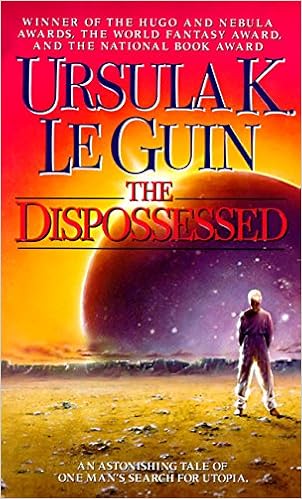
"The dispossessed" and discarded


This is second book I tried to read of Ursula K. L Guin and failed. I can't say that she writes badly. I simply feel that stories could be easily condensed without losing any value. Otherwise it feels if one reads the same ideas over and over.

I managed to read this particular novel through the half and then gave up. It did not satisfy my curiosity to continue reading. 

posted by David     

Saturday, September 24, 2016

Byzantium and rise of western bureaucracy

This book evaluates transition of early Roman system of government to later Roman (Byzantium)-style of governance dominated by member of civil services, bureaucrats. 

Based on historical evidence the author reconstructs how Empire's every day administrative function were carried out.

I was surprised to learn that later Roman Empire had civil service so complex and so regulated that it could match its version in many today's advanced countries.  

At first, I really enjoyed the author's excellent writing style and wealth of new information in the first few chapters. However, later book becomes quite boring with repetitive information.

posted by David


Thursday, September 22, 2016

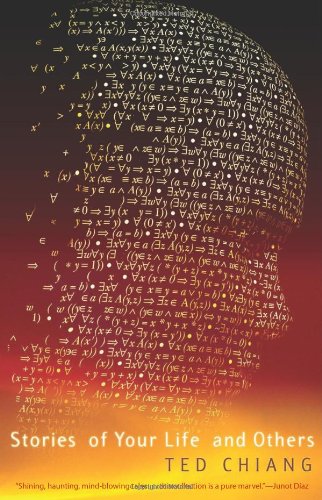
Ted Chiang: science fiction without end

I had no idea who Ted Chiang was until I saw trailer for "Arrival". It appears that this new science fiction movie is based on short novel by this author. 

So, I decided to have a look at the actual novel to see how closely it will match to what's is going in the movie. I ended up with this book that contains both "Arrival" (whose actual book title is "stories of you life") novel and others.

I was initially impressed by author's unique intellectual approach to science fiction. His writing style is excellent. However, most of the short novels ended abruptly leaving me a little bit confused. It feels if when the author's imagination reaches its limit he stops his novels.

My personal favorite short novel was about "lookism". It was, I think, only short story that naturally developed from A to Z.

posted by David Usharauli   
Tuesday, September 13, 2016

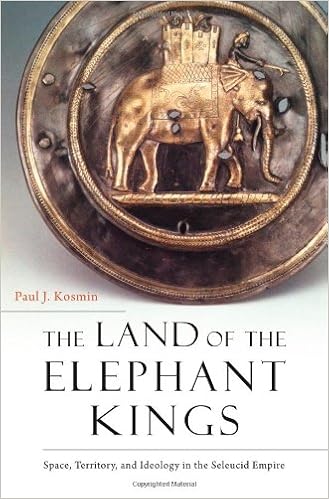
Seleucid Empire: empire without trace

Seleucid Empire existed for more than 200 years inheriting the largest part of Asian territories conquered by Alexander the Great during his Asian campaign. 

Its history is not well known. It was founded by one of the Alexander's general, Seleucus, around 312/311 B.C. This alien Macedonian (seleucid) dynasty ruled people of middle east who were before ruled by Achaemenids of Ancient Persia.

For me the most intriguing question of post-Alexander's age is how it was possible that people of Middle East accepted foreign rule without much resistance.

However, this book did not even discuss it as if the answer was obvious one. Not really. Moreover, book content is organized quite unusual way making it difficult to follow and derive any valuable information, if any. It really bothers me when I see that book has an interesting title but content is totally useless and hard to digest. I can not recommend this book to anyone. 

posted by David