Saturday, September 2, 2017

Review of "A Rising Man" by Abir Mukherjee

Year 1919. Britain rules India. 150,000 British oversee country with a population of 300 million. Local people started to question moral and legal justification for presence of foreign power on their soil. More they question the more Britain is becoming desperate to maintain its hold on India, because you know, without India there is no British Empire. Draconian laws are introduced directed against locals that further undermines British positions.    
 
So this is background setting when novel opens with gruesome discovery of a murdered British  high placed civil servant in the suburb of Calcutta. Former Scotland Yard detective recently hired in Calcutta police division is tasked to investigate the crime.  
 
It is very interesting and occasionally funny novel. It shows double standards of British rulers (or any foreign rulers for that matter) filled with widespread prejudices against native population.  They looked down on country and people who made them a "rising man". 
 
Highly recommended.
 
posted by David
    

Thursday, August 17, 2017

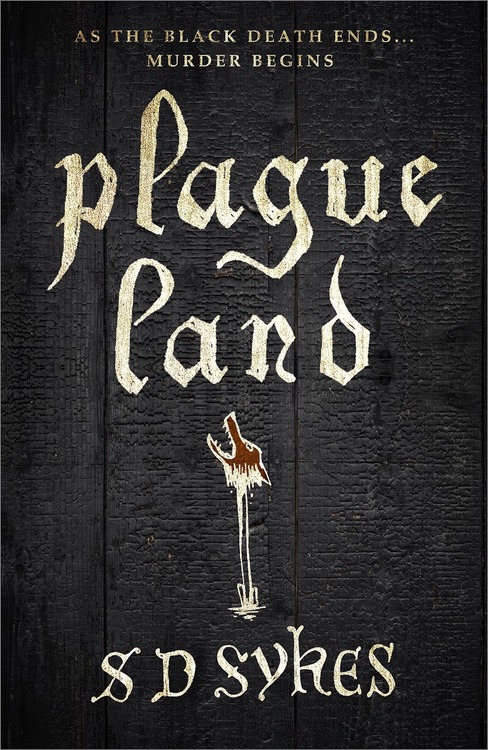
Review of "Plague Land" by S.D. Sykes

This novel is set in 1350, immediately following the Great plague, black death, that had devastated England. Within very short period, a prior social and economical structures that existed collapsed. Religious fanaticism and mysticism are pervasive.
 
Now new relationships are being established. Due to population decline, peasants who survived are gaining economical bargaining power with the land owners. 
 
It is in this environment that two teenage girls are brutally killed. Village people and their priest believe it is doing of a doghead, an evil creature with human body and head of a dog.
 
But Oswald de Lacy, Lord of Somershill, an young manor lord who just inherited this land from his father, believes a real person rather some evil creature killed both girls. His curiosity and persistence will lead to an unexpected and truly diabolical discovery. 
 
Highly recommended.
 
posted by David


Friday, August 11, 2017

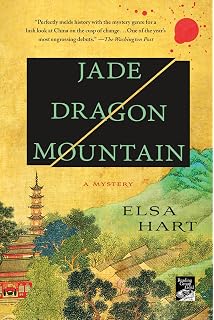
A former librarian in 18th century China turned crime investigator


This novel is a first in a series that follows Li Du, a former librarian in forbidden city in imperial China. Li Du was dismissed from his post because he was a close friend with a person who was involved in conspiracy against Emperor Kangxi (Qing dynasty). Li Du was spared of his life because he did not know anything about conspiracy but sill exiled to the town in the periphery.
 
There, Li Du becomes involved in solving mysterious death of Jesuit priest and uncovers the plot that threatens his Imperial Majesty himself.
 
Very good book. Lots of interesting twists and turns. Nothing extra and nothing left out to complete the story.
 
highly recommended.


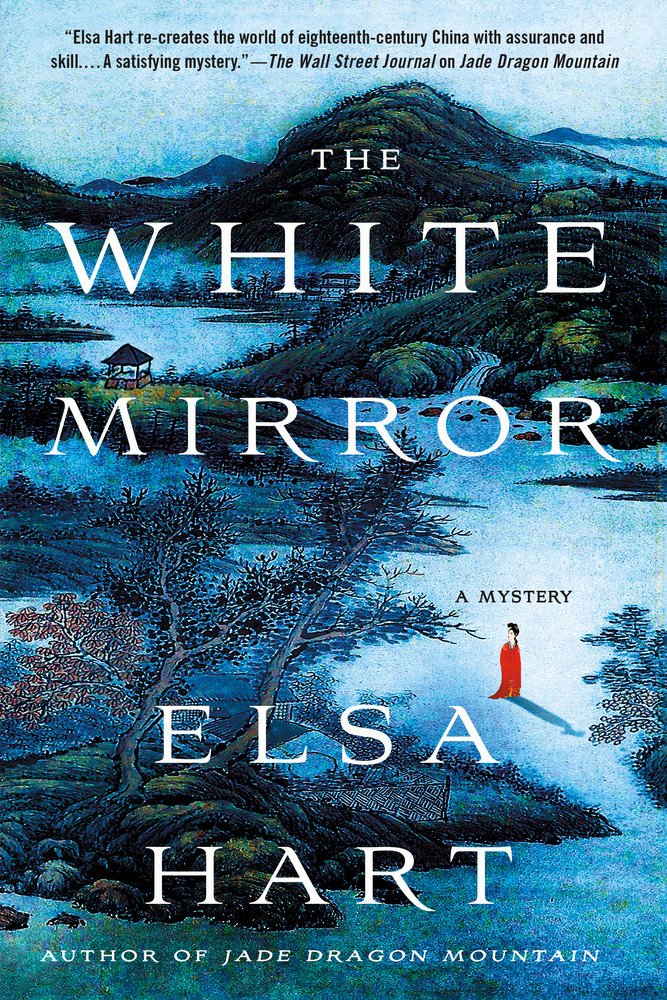
In this second book, Li Du travels to borderland between Tibet and China where in a small mountain village he becomes witness to another mysterious death of a Tibetan monk.
 
With help of his traveling friend, Hamza, Li Du manages to reconstruct events that led to death of a monk and not surprisingly reveals that even remote villages occasionally are part of covert affairs between big Empires. 
 
Again very good book. Highly recommended.
 
 
posted by David


Saturday, July 15, 2017

"The Mote in God's Eye" - review

Initially this book was interesting but later it became too boring. It is too long in my view.

I also think that the novel is unequally developed when it comes to advances in interstellar travel and biology. For example, when ship finds aliens and take their samples, they need to send it back to their planet to do a genetic analysis. It is highly unlikely that humanity could achieve an interstellar travel capacity and at the same time could not develop technology that could sequence alien biological forms on board of their ships.

posted by David