Sunday, March 17, 2019

What actually happened in Munich in 1938?

This is a great novel. Its 1938 and everyone in Europe is scared that another war is coming. How to stop it?

It looks like no one in Europe wants or are ready for war except Nazis. WWI was such a shock to people in West Europe that they are willing to go to great length to "appease' Nazis as much as they can rather than to take a risk for another WW. 

But was it really an appeasement what transpired in Munich in 1938? Harris tries to show in vivid details that it is not what actually happened. It is true that Munich did not solve the problem of Nazi expansion in Europe but it gave 1 extra year that was essential to prepare the countries to fight Nazi in WWII. It is possible that 1 year saved humankind and led to defeat of Nazi Germany in WWII.

posted by David       

what would happen if AI program takes over?

As usual Harris is great in creating feeling of suspense without saying or showing much. 

In this book Harris imagines what would happen if investment fund is run by AI. This fully autonomous AI is a brainchild of asocial physicist/computer programmer with some mental issues (even Harris could not escape from this cliche). This AI does high speed trading and makes lots of money.

But after upgrade to newer version, strange and scary things start to happen to programmer.

It is a fine fiction though little bit confusing. It is not clear if things are done by AI or programmer's deranged alter ego. Its scary.

posted by David   

Sunday, February 17, 2019

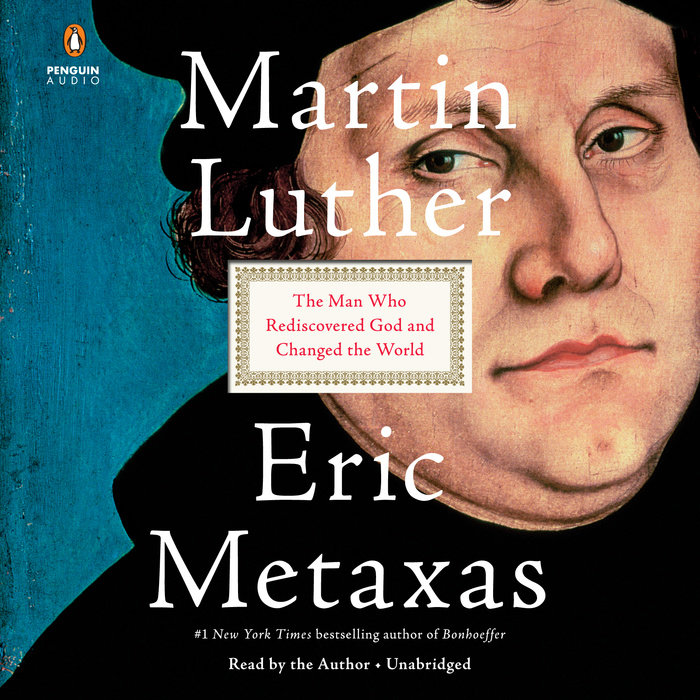
"Martin Luther" by Eric Metaxas -- Reformation: Why in Germany and why Martin Luther?

This is a biography of Martin Luther, a monk in 16th century Germanic state of Saxony whose ideas about Bible started a religious reformation of catholic church. 

This is a story about a private person and his ideas and how he evolved to think that way. 

The book is too big with some unnecessary repetitive information. It is fine to read it if book is available in a local library. It has lots of interesting stuff about Luther himself. Even picture we now recognize as Luther is very different from young Luther people saw when reformation started in 1517. But ultimately I think the author failed to truly explain a political and economical background that prompted  Luther to do what he did. 

The most important question is why reformation started in Germany. Why not in France or Italy or Spain?  Luther himself said it briefly in one of the notes in the book it is because the power the Pope had over Germanic states was more widespread and chance of abuse higher than it was in other parts of Europe. By 16th century Spain, France were already consolidated their statehood and interference in their internal affairs by the Pope was minimal. But Germany was different. It consisted of small principalities and the Pope were able to easily get involved in their internal affairs. Luther's religious reformation was in fact a political turning point in western Europe.

posted by David Usharauli  

Sunday, January 20, 2019

Dan Brown's 'Origin' reads like a flying air balloon that deflates before reaching stratosphere


This book truly disappoints. It is another book from Robert Langdon series. It starts great but the climax and revelations are so anticlimactic that you are left feeling as if time spent reading it was totally wasted. I had not expected such weak ending from "The Da Vinci Code" author.

The actual "villain" behind the plot is immediately recognized from the conversations that follows Kirsch's presentation and his tragic end.

Only reason to continue reading is to know what was it that actually Kirsch discovered. But when his discoveries are revealed you are left asking yourself "what? its all? Are you kidding me".     

 posted by David Usharauli