Showing posts with label Athens. Show all posts

Monday, March 6, 2017

Review of José Carlos Somoza's "The Athenian Murders"

By most part this novel was very interesting to read.
 
Story covers two time periods: 4th century Athens and much later period, I am not exactly sure whether it is present time or far in the future.
 
The novel begins with translation and analysis of ancient Greek novel of unknown author that is carried out by a narrator-translator.  
 
As narrator translates chapter after chapter he becomes more intrigued and obsessed with what he believes is a hidden message of the novel. The novel itself is a story set in 4th century BC Athens. At this time, Athens is ruled by oligarchy imposed on Athens by Sparta following its defeat in Pelopennesian War.
 
The novel opens with discovery of a dead body of a young Athenian man. Two people, one private investigator and another philosopher, work together to uncover mystery behind this and other similar murders.
 
In the end, the story resolution and its explanations is a little bit unconvincing and confusing. However, I would still recommend this novel. First it describes Athenian culture at the middle of 4th century. Second, it analysis and contrasts both  philosophical and practical approach to life.
 
posted by David


Sunday, August 14, 2016

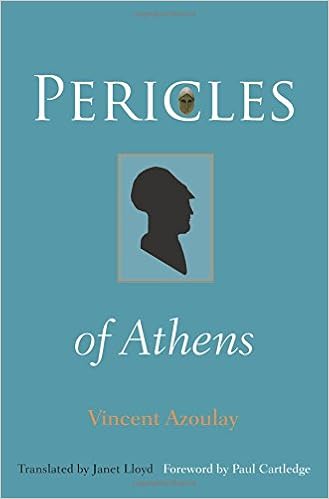
"Pericles of Athens" by Vincent Azoulay

This is very interesting historical analysis about Pericles. I came to know about Pericles after reading historical fiction series by Gary Corby. In Athenian mystery series Gary Corby provided picture of Pericles as a great Athenian statesman (that he was indeed).   

So, I decided to further read about this real life historical figure who led Athenian maritime empire for 25 years. 

Initially I thought it will be organized chronologically and based on Pericles biography, but in fact it was organized by topics that the authors thought were relevant to understand 5th century BC Athens and Pericles role in city's life.

Over centuries since fall of ancient Greek civilization educated establishment in the West took mutually exclusive view of Pericles. Until 19th century, most writings dedicated to ancient Greek considered Pericles in negative light due to Athens legacy in Peloponnesian war that ended in its defeat by Sparta and its allies. Many blamed Pericles for initiating this great war and leaving Athens unprepared.

However, opposite view shared by the author of this book suggests that Pericles was not in a position to single handedly decide the fate of Athens but rather he was a great statesman that skillfully operated within the framework of Athenian democracy. The fact that Athens ultimately lost the war to Sparta indicates that Athenian democracy as it is existed in 5th century BC simply had not developed sufficient check and balances that ensures that state properly directs its resources independently who is nominal head of the state.

posted David Usharauli